
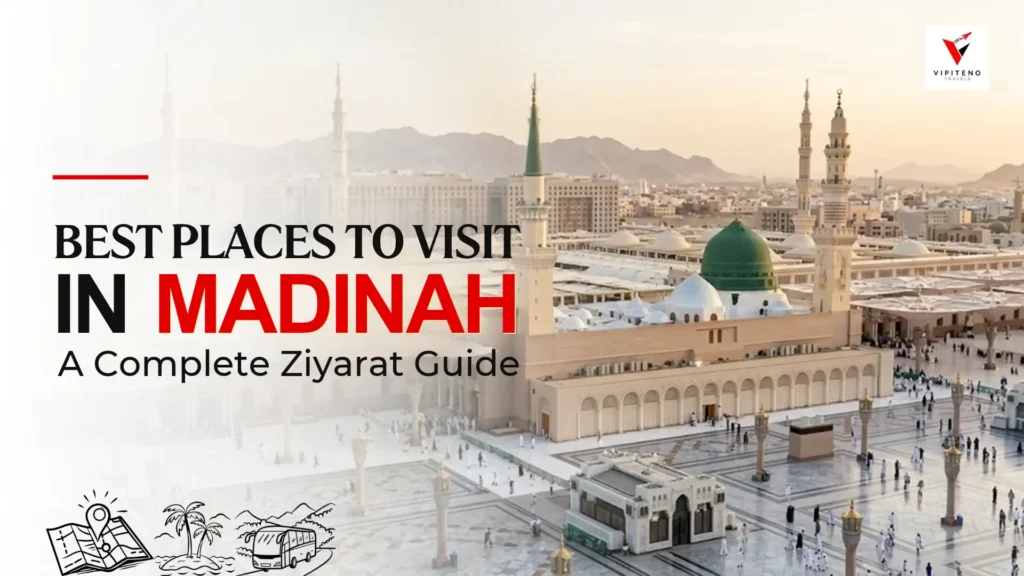
Madinah holds a special place in the hearts of Muslims around the world. Known as Al-Madinah Al-Munawwarah, it is the city where Prophet Muhammad (peace be upon him) established the first Muslim community after migrating from Makkah. For Muslims travelling to Saudi Arabia for Umrah, spending time in Madinah is often one of the most memorable parts of the journey.
Beyond offering prayers at Masjid an-Nabawi, visitors can explore several important Islamic historical sites connected with the Hijrah, the early Muslim community and significant events in Islamic history.
From Masjid-e-Quba and Masjid-e-Qiblatain to the historic site of Ghazwa-e-Uhud and the Seven Mosques area, Madinah offers many opportunities to learn about Islamic history and reflect on the lives and sacrifices of the early Muslims.
If you are planning Umrah from Italy, this guide will help you discover the best places to visit in Madinah during Umrah, understand their historical significance and plan your Ziyarat comfortably.
1. Masjid-e-Quba – The First Mosque in Islam
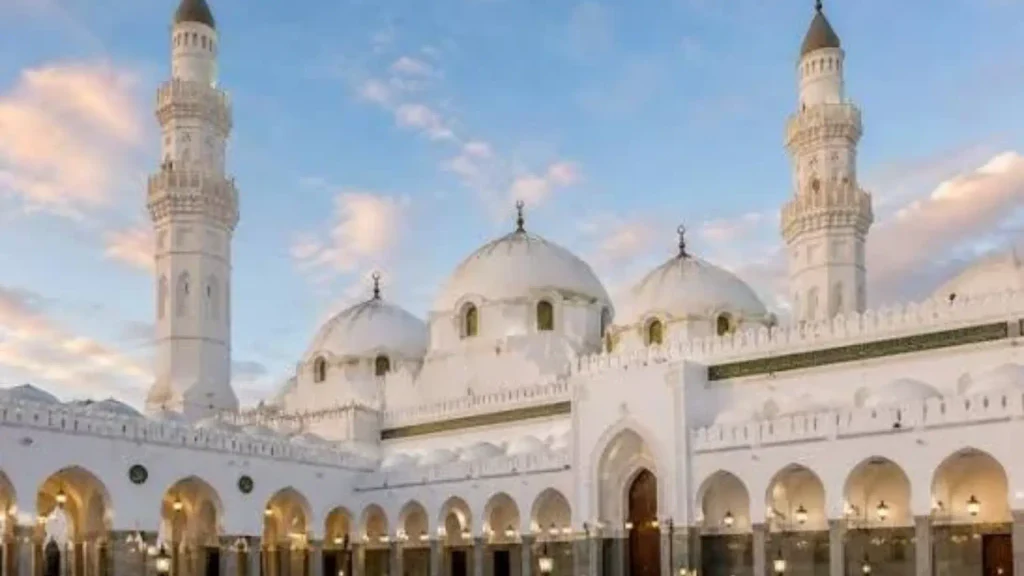
Masjid-e-Quba is one of the most important Islamic landmarks in Madinah. It is widely recognised as the first mosque established in Islam and is closely connected with the Hijrah of Prophet Muhammad (peace be upon him) from Makkah to Madinah.
When the Prophet (peace be upon him) arrived in the Quba area during his migration, the mosque was established. Since then, it has remained an important destination for Muslims visiting Madinah.
The mosque has undergone several expansions and restorations over the centuries. Today, its impressive architecture, spacious prayer areas and peaceful surroundings welcome visitors throughout the year.
Why should you visit Masjid-e-Quba?
- Learn about the beginning of the Muslim community in Madinah.
- Visit one of the most historically significant mosques in Islam.
- Offer prayers and spend time in worship.
- Appreciate the mosque’s architecture and surroundings.
Masjid-e-Quba is also associated with a well-known Sunnah concerning the reward of performing prayer there after making ablution at home. Many visitors include this mosque in their Madinah Ziyarat itinerary.
Travel tip: Masjid-e-Quba is located a short distance from the Prophet’s Mosque. It is often included in a Madinah Ziyarat tour alongside Masjid-e-Jummah.
2. Masjid-e-Jummah – The Mosque Associated with the First Friday Prayer
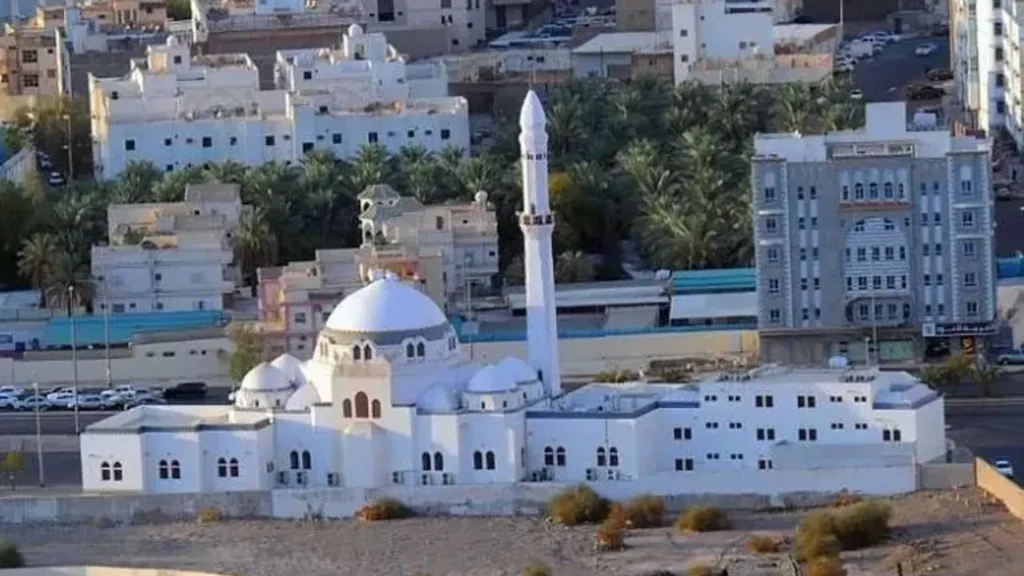
Masjid-e-Jummah is another historically important mosque in Madinah. It is associated with an important moment during the Prophet’s migration from Quba towards Madinah.
According to Islamic historical accounts, Prophet Muhammad (peace be upon him) offered the Friday prayer with the people of Banu Salim ibn Awf during this journey. The mosque marks the location traditionally associated with that event.
Although smaller than Masjid an-Nabawi and Masjid-e-Quba, Masjid-e-Jummah holds an important place in Madinah’s Islamic history.
What makes Masjid-e-Jummah special?
- It is connected with the Prophet’s journey after the Hijrah.
- It commemorates an important early Friday prayer.
- It provides visitors with another opportunity to explore the history of Islam in Madinah.
Travel tip: Since Masjid-e-Jummah is commonly included with Masjid-e-Quba, you can visit both during the same part of your Ziyarat tour.
3. Masjid-e-Qiblatain – The Mosque of Two Qiblas
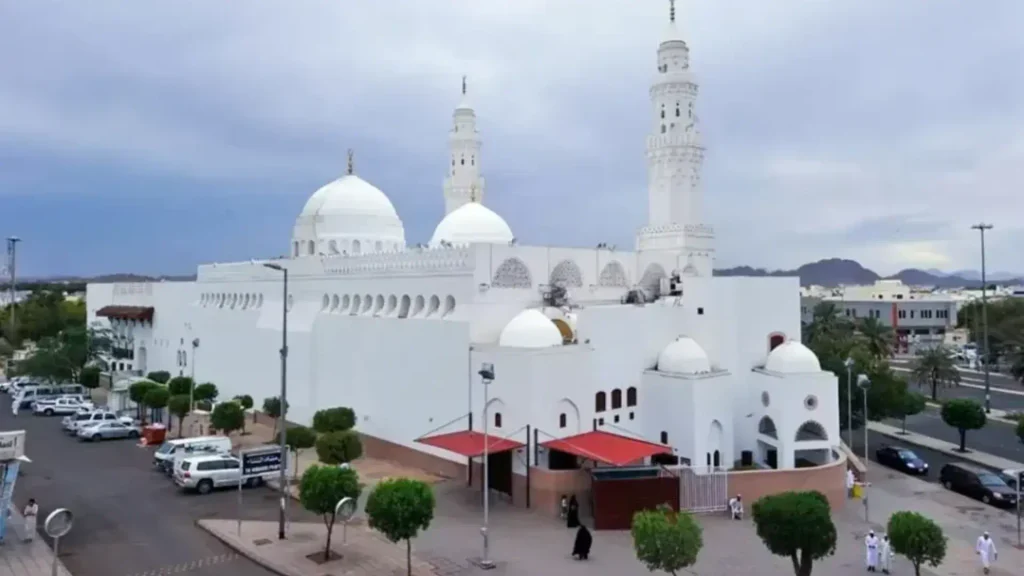
Masjid-e-Qiblatain is one of the most recognised historical mosques in Madinah. Its name means the Mosque of the Two Qiblas.
The mosque is associated with the change in the direction of prayer, when Muslims were instructed to turn from Jerusalem towards the Kaaba in Makkah.
This event is an important part of Islamic history. The change of Qibla took place during the lifetime of Prophet Muhammad (peace be upon him), and the mosque has become a significant destination for visitors interested in learning about this moment.
Today, Masjid-e-Qiblatain is known for its distinctive architecture and spacious prayer facilities.
Why visit Masjid-e-Qiblatain?
- Learn about the historical change in the direction of prayer.
- Understand an important event in the early Muslim community.
- Explore one of Madinah’s most famous historic mosques.
- Spend some time in prayer and reflection.
Travel tip: Include Masjid-e-Qiblatain in your Ziyarat schedule with the Ghazwa-e-Khandaq and Seven Mosques area if your transport arrangement allows it.
4. Ghazwa-e-Uhud Site – Remembering the Battle of Uhud
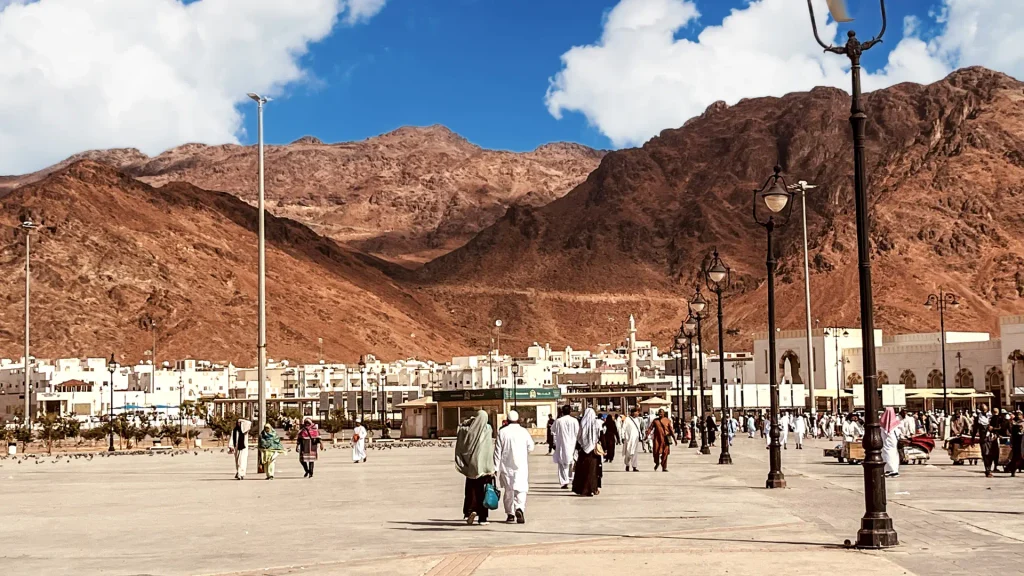
The site of Ghazwa-e-Uhud is among the most moving historical places to visit in Madinah.
The Battle of Uhud took place in 3 AH between the Muslims of Madinah and the Quraysh of Makkah. It was a major event in early Islamic history and taught important lessons about faith, patience, obedience and sacrifice.
The area is dominated by the impressive Mount Uhud, which is one of Madinah’s most recognisable natural landmarks.
Visitors can also see the area associated with Jabal al-Rumah, commonly known as the Archers’ Hill. It is connected with the events of the battle and the position assigned to Muslim archers.
Nearby is the cemetery of the martyrs of Uhud, where several companions who lost their lives in the battle are buried. Hamza ibn Abdul Muttalib (may Allah be pleased with him), the beloved uncle of Prophet Muhammad (peace be upon him), is among the most well-known martyrs associated with this site.
What can you see at the Ghazwa-e-Uhud site?
- Mount Uhud: The famous mountain associated with the battle.
- Jabal al-Rumah: The hill connected with the Muslim archers.
- Uhud Martyrs Cemetery: The resting place of companions martyred during the battle.
- Battlefield area: The surrounding landscape where the historical events took place.
Visiting this area gives pilgrims an opportunity to reflect on the sacrifices made by the early Muslims and learn more about one of the most important events in Islamic history.
Travel tip: The Uhud area is largely outdoors and can become hot during the day. Carry water, wear comfortable footwear and avoid climbing rocky areas unless you are physically comfortable and local rules permit it.
5. Ghazwa-e-Khandaq and the Seven Mosques Area
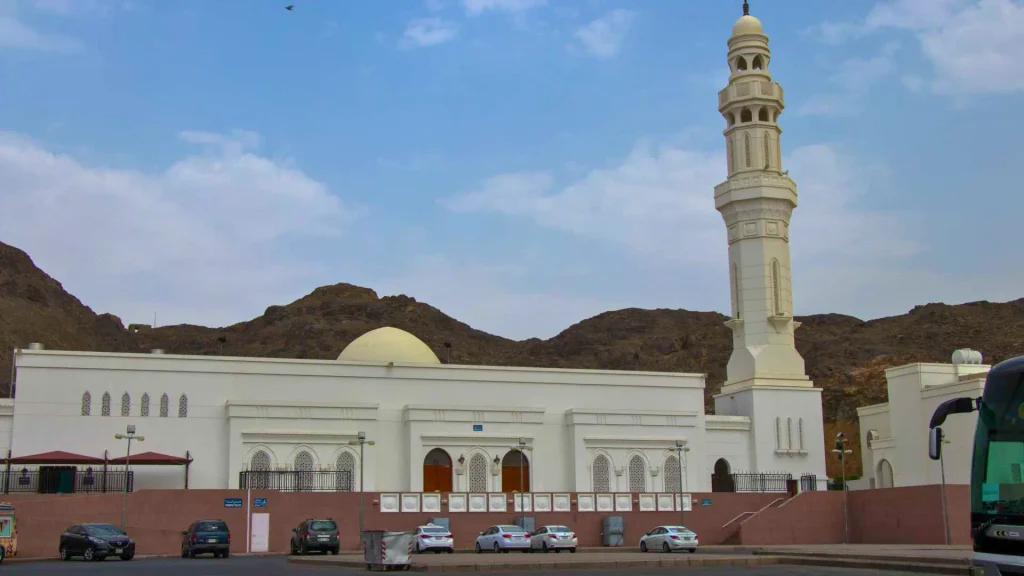
The Ghazwa-e-Khandaq site, also known as the Battle of the Trench area, is another important destination for Madinah Ziyarat.
The Battle of the Trench, also called the Battle of Ahzab, took place in 5 AH. During this event, the Muslims of Madinah faced a large opposing force. A trench was dug around vulnerable parts of the city as a defensive strategy.
The Seven Mosques area is traditionally associated with this historic event. It is located near Mount Sela and contains a group of small historic mosques.
The mosques commonly associated with this area include:
- Masjid al-Fath
- Masjid Abu Bakr al-Siddiq
- Masjid Umar ibn al-Khattab
- Masjid Ali ibn Abi Talib
- Masjid Fatimah al-Zahra
- Masjid Salman al-Farsi
The name Seven Mosques is commonly used, although historical descriptions identify six small mosques in the complex. Masjid-e-Qiblatain is sometimes included in the wider visitor itinerary, which helps explain the traditional name.
Why visit the Seven Mosques area?
- Learn about the Battle of the Trench.
- Explore historic mosques associated with the area.
- Understand how the early Muslim community defended Madinah.
- Visit an important part of the city’s Islamic heritage.
One of the prominent mosques here is Masjid al-Fath, which is also known as Masjid al-Ahzab. It is situated on the slopes of Mount Sela.
Travel tip: Consider visiting the Seven Mosques area and Masjid-e-Qiblatain during the same Ziyarat outing. Allow time to explore the surroundings and listen to a historical explanation if you are travelling with a guide.
6. Salman Farsi Garden – A Historic Site Associated with Salman al-Farsi (RA)
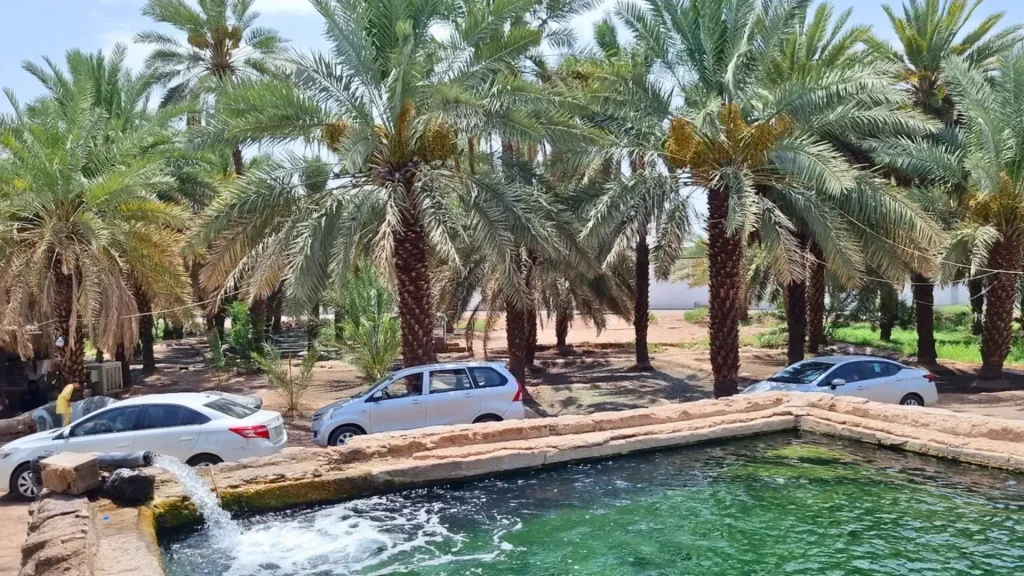
Salman Farsi Garden is a location that visitors may encounter during traditional Madinah Ziyarat tours. It is associated with Salman al-Farsi (may Allah be pleased with him), the respected companion of Prophet Muhammad (peace be upon him).
Salman al-Farsi (RA) is remembered for his remarkable journey in search of the truth and his eventual acceptance of Islam. His story is particularly well known because of his role in suggesting the strategy of digging a trench during the Battle of Ahzab.
The historical site commonly associated with him in Madinah is Al-Faqir Well, also known as Salman al-Farsi Well.
According to the traditional account, Salman al-Farsi (RA) was required to plant a specified number of date palms as part of the agreement for his freedom. Prophet Muhammad (peace be upon him) and his companions helped him with this task.
The site is also interesting from a historical and agricultural perspective. It contains an old well and an irrigation system that reflects the traditional agricultural practices of the region.
What makes Salman Farsi Garden interesting?
- Its connection with the story of Salman al-Farsi (RA).
- Its association with the planting of date palms.
- Its historical well and traditional irrigation features.
- Its importance as part of Madinah’s agricultural heritage.
For visitors interested in the companions of the Prophet (peace be upon him), this site offers an opportunity to learn about an important figure in early Islamic history.
Travel tip: Confirm the exact destination with your Ziyarat organiser. The historical site is also referred to as Al-Faqir Well or Salman al-Farsi Well, so using the correct name can help avoid confusion.
7. House of Imam Zain-ul-Abideen – A Traditional Historical Ziyarat Location
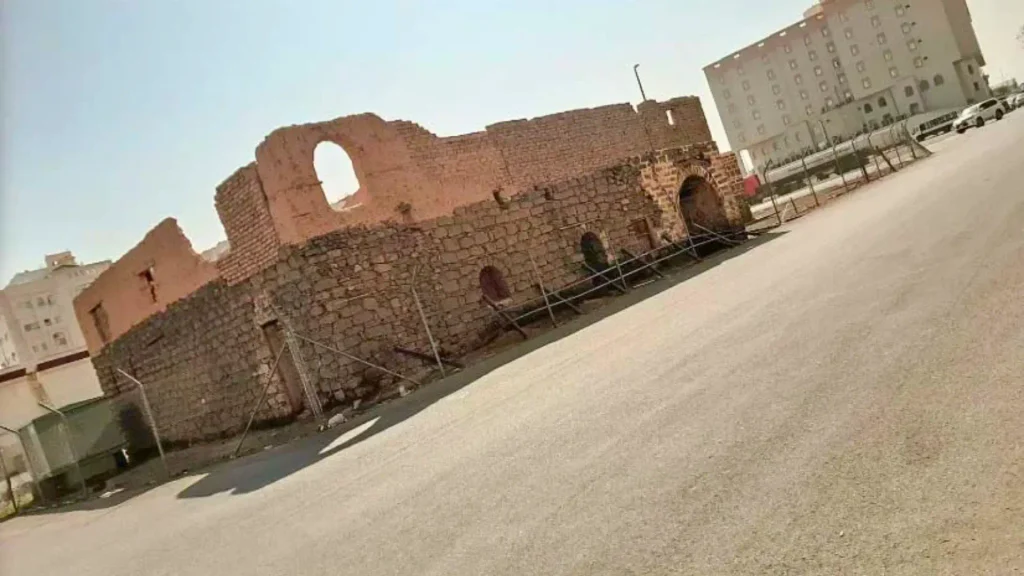
The House of Imam Zain-ul-Abideen is another location that may be mentioned in traditional Madinah Ziyarat itineraries.
Imam Ali ibn Husayn Zain-ul-Abideen (may Allah be pleased with him) was a respected member of the Ahl al-Bayt, the family of Prophet Muhammad (peace be upon him). He was the son of Imam Husayn ibn Ali (may Allah be pleased with them) and is remembered for his worship, patience, knowledge and devotion.
His life is an important part of Islamic history, particularly in the generations following the events of Karbala.
Visitors may hear about a house traditionally attributed to Imam Zain-ul-Abideen during certain local Ziyarat tours. However, historical identification and public access to such privately or locally attributed sites should be confirmed before planning a visit.
Why is this location mentioned in Ziyarat itineraries?
- It is associated with the history of the Ahl al-Bayt.
- It introduces visitors to the life and legacy of Imam Zain-ul-Abideen.
- It provides an opportunity to learn about an important figure in Islamic history.
Important visitor note: Unlike the major recognised mosques and historic landmarks, the exact identity, location and visitor access of the house should be verified locally. Do not assume that it is an officially managed public attraction or that entry is guaranteed.
8. Masjid an-Nabawi – The Prophet’s Mosque
No Madinah visit is complete without spending meaningful time at Masjid an-Nabawi, the Prophet’s Mosque.
Built by Prophet Muhammad (peace be upon him) after his arrival in Madinah, it is one of the most significant places in Islam. Millions of Muslims visit it every year to offer prayers, send salutations upon the Prophet (peace be upon him) and spend time in worship.
The mosque is recognised by its beautiful architecture, spacious courtyards, green dome and peaceful atmosphere.
What should you do during your visit?
- Offer your daily prayers at the Prophet’s Mosque.
- Spend time in remembrance and supplication.
- Offer Salam to Prophet Muhammad (peace be upon him) in accordance with the prescribed etiquette.
- Visit Al-Rawdah Al-Sharifah if you have an approved appointment.
- Explore the mosque’s courtyards and surrounding area.
Visiting Al-Rawdah Al-Sharifah
Al-Rawdah Al-Sharifah is a particularly significant area inside the Prophet’s Mosque. Many pilgrims hope to offer prayer there during their stay in Madinah.
Access is organised through the Nusuk platform. Visitors should check the app for available appointments and follow the latest instructions. A visit is subject to availability and the official arrangements in force at the time.
Travel tip: If visiting Rawdah is important to you, check the Nusuk app early in your planning process. Keep your appointment details accessible and arrive according to the instructions provided.
9. Jannat al-Baqi – The Historic Cemetery of Madinah
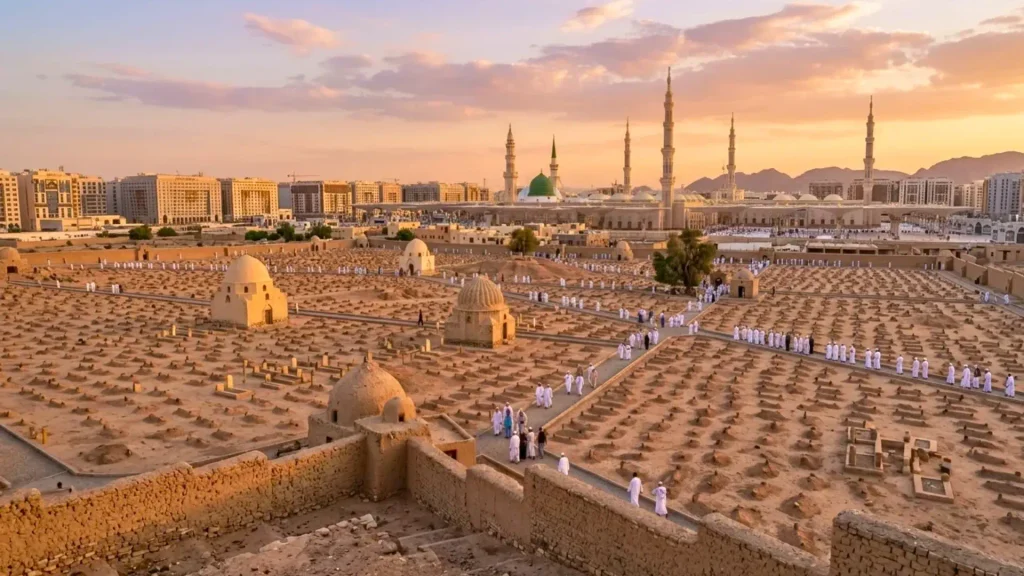
Jannat al-Baqi is the historic cemetery located beside Masjid an-Nabawi.
It is the resting place of many important figures from early Islamic history, including members of the Prophet’s family, companions and other respected individuals.
For Muslims visiting Madinah, Jannat al-Baqi carries deep historical and spiritual significance.
What should visitors know?
- It is an important part of Madinah’s Islamic heritage.
- Visitors should maintain a respectful and quiet manner.
- Access is subject to official visiting arrangements.
- Follow all instructions from local authorities and mosque staff.
Do not assume that the cemetery will be open to visitors at any particular time. Check the current arrangements during your stay and respect any access restrictions.
10. Masjid al-Ghamama – A Historic Mosque Near Masjid an-Nabawi
Masjid al-Ghamama is a historic mosque located near the Prophet’s Mosque.
It is traditionally associated with reports of Prophet Muhammad (peace be upon him) offering Eid prayers and performing the prayer for rain in the area.
Its location makes it a convenient stop for visitors who are already exploring the central area of Madinah.
The mosque is also recognised for its distinctive architecture and historical importance.
Travel tip: You can consider visiting Masjid al-Ghamama while exploring the surroundings of Masjid an-Nabawi. Check local access arrangements before planning an interior visit.
Suggested Madinah Ziyarat Itinerary
If you have limited time in Madinah, planning your Ziyarat in advance can make your journey more comfortable. Grouping locations into sensible outings can reduce unnecessary travel and give you more time for prayer and rest.
One-Day Madinah Ziyarat Plan
If you have one full day available, you can consider visiting several of the main historical locations.
| Suggested stop | What to explore |
|---|---|
| Masjid-e-Quba | First mosque in Islam |
| Masjid-e-Jummah | Historic mosque associated with the Hijrah |
| Salman Farsi Garden / Al-Faqir Well | Historical site associated with Salman al-Farsi (RA) |
| Ghazwa-e-Uhud Site | Mount Uhud and the martyrs’ cemetery |
| Masjid-e-Qiblatain | Mosque associated with the change of Qibla |
| Ghazwa-e-Khandaq / Seven Mosques | Historic Battle of the Trench area |
The House of Imam Zain-ul-Abideen can be considered only if your guide confirms the exact location and access arrangements.
This itinerary is a suggested list of stops, not a guaranteed route or timetable. The actual order should depend on your starting point, traffic, prayer times, opening arrangements and the time available.
Two-Day Madinah Ziyarat Plan
If you have two days in Madinah, you can explore the city at a more relaxed pace.
Day 1: Historic Mosques and Islamic Landmarks
- Masjid-e-Quba
- Masjid-e-Jummah
- Masjid-e-Qiblatain
- Ghazwa-e-Khandaq / Seven Mosques area
Day 2: Historic Sites and Central Madinah
- Ghazwa-e-Uhud site
- Salman Farsi Garden / Al-Faqir Well
- House of Imam Zain-ul-Abideen, subject to verification and access
- Masjid an-Nabawi
- Masjid al-Ghamama
- Jannat al-Baqi, subject to access arrangements
Keep enough time for prayers at Masjid an-Nabawi and avoid making the schedule so busy that you cannot enjoy the visits.
Practical Tips for Madinah Ziyarat
A little preparation can make your visits more comfortable, especially if you are travelling from Italy with family members or elderly parents.
1. Plan Your Visits Around Prayer Times
Madinah’s daily routine is closely connected to the five daily prayers. Allow enough time to reach each destination and return to your hotel without rushing.
2. Wear Comfortable Footwear
Some Ziyarat locations involve outdoor walking and uneven surfaces. Comfortable footwear can make a significant difference, particularly during longer visits.
3. Carry Water and Sun Protection
Madinah can experience high temperatures, especially during warmer months. Carry drinking water, use sun protection and take breaks when necessary.
4. Consider Elderly Family Members
If you are travelling with parents or grandparents, avoid arranging too many stops in one day. Choose suitable transport, reduce unnecessary walking and allow time for rest.
5. Confirm Visiting Arrangements
Some religious and historical sites have controlled access or changing visitor arrangements. Check the latest information before travelling, particularly for Rawdah, Jannat al-Baqi, museums and less-established historical locations.
6. Arrange Reliable Transport
A planned Ziyarat service can make it easier to visit several locations, especially if you are unfamiliar with Madinah. Confirm the itinerary, vehicle arrangements, waiting time and any additional charges before starting your journey.
7. Respect the Religious Environment
Dress modestly, maintain a respectful attitude and follow instructions from mosque staff and local authorities. Avoid loud conversations or disturbing other visitors.
When Is the Best Time to Visit Madinah?
Madinah welcomes visitors throughout the year, but the experience can vary depending on the season.
Winter months: Cooler weather can make outdoor Ziyarat more comfortable, especially for families and elderly pilgrims.
Summer months: Outdoor visits may be more challenging because of the heat. Arrange sightseeing during cooler parts of the day and take regular breaks.
Ramadan: Ramadan is a special time for many Muslims to visit Madinah. The atmosphere around Masjid an-Nabawi is particularly active, but visitor numbers can be high. Plan your daily schedule and transport carefully.
Peak Umrah seasons and school holidays: These periods can bring additional visitors. Booking accommodation and arranging transport in advance is a sensible decision.
Planning Your Madinah Ziyarat from Italy
For Muslims living in Italy, an Umrah journey often involves coordinating flights, Saudi accommodation, local transport and the journey between Makkah and Madinah.
If Madinah is part of your travel plan, consider these points before departure:
- Decide how many days you want to spend in Madinah.
- Choose a hotel based on its location and your family’s needs.
- Plan your Ziyarat visits around prayer times.
- Check the latest Nusuk requirements for Rawdah.
- Arrange suitable local transport if you plan to visit several historical sites.
- Keep some free time for rest and personal worship.
If you are still choosing accommodation, read our guide to [Best Hotels in Madinah for Umrah from Italy] to explore different hotel options.
You can also read our [Complete Umrah Guide for Travellers from Italy] for help preparing for your journey and our guide to [Travelling Between Makkah and Madinah] for information about the journey between the two holy cities.
For complete travel arrangements, explore our [Umrah Packages from Italy] and discuss your requirements with our team.
Frequently Asked Questions About Madinah Ziyarat
1. What are the best places to visit in Madinah during Umrah?
Some of the most popular Ziyarat locations include Masjid-e-Quba, Masjid-e-Jummah, Masjid-e-Qiblatain, Ghazwa-e-Uhud, Ghazwa-e-Khandaq and the Seven Mosques area. Visitors may also explore Salman Farsi Garden, Masjid an-Nabawi, Jannat al-Baqi and other historical landmarks.
2. How many days are enough for Madinah Ziyarat?
One day can cover several major historical sites if the itinerary is organised carefully. However, two days allow a more relaxed experience, especially if you are travelling with children or elderly family members.
3. What is the significance of Masjid-e-Quba?
Masjid-e-Quba is widely recognised as the first mosque established in Islam. It is connected with the Hijrah of Prophet Muhammad (peace be upon him) from Makkah to Madinah.
4. Why is Masjid-e-Qiblatain famous?
Masjid-e-Qiblatain is associated with the historical change in the direction of prayer from Jerusalem towards the Kaaba in Makkah.
5. What happened during Ghazwa-e-Uhud?
The Battle of Uhud took place in 3 AH between the Muslims of Madinah and the Quraysh of Makkah. The site is remembered for the sacrifices of the Muslim companions, including Hamza ibn Abdul Muttalib (may Allah be pleased with him).
6. Why is the Seven Mosques area important?
The Seven Mosques area is traditionally associated with the Battle of the Trench, also known as the Battle of Ahzab. It contains historic mosques located near Mount Sela.
7. What is Salman Farsi Garden in Madinah?
The name is commonly associated with the historical site of Al-Faqir Well, also known as Salman al-Farsi Well. It is connected with the story of Salman al-Farsi (RA) and the planting of date palms as part of his freedom agreement.
8. Can visitors enter the House of Imam Zain-ul-Abideen?
The exact identification and public access arrangements for the house traditionally attributed to Imam Zain-ul-Abideen should be confirmed locally. Visitors should not assume that it is an officially managed public attraction or that entry is available.
9. Do I need a permit to visit Rawdah?
Yes. Visitors should check the official Nusuk platform for the latest permit requirements, available appointments and entry instructions before planning their visit.
10. Can I visit Madinah Ziyarat places with elderly parents?
Yes. It is best to arrange suitable transport, limit the number of stops and allow sufficient time for rest. A relaxed two-day itinerary may be more comfortable than trying to visit every location in one day.
11. Is a guided Ziyarat tour necessary in Madinah?
A guided tour is not essential, but it can be helpful if you want to understand the historical background of the sites. A reliable driver or guide can also make travelling between locations easier.
12. Can I visit all the main Ziyarat places in Madinah in one day?
You can visit several major locations in one day, but covering every site comfortably may be difficult. A two-day plan gives you more flexibility and time for prayer and rest.
Make Your Umrah Journey More Meaningful with Vipiteno Travels
Madinah is more than a destination on an Umrah itinerary. It is a city filled with Islamic history, important landmarks and opportunities for reflection.
Whether you want to visit Masjid-e-Quba, learn about the Battle of Uhud, explore the Seven Mosques area or spend peaceful moments at Masjid an-Nabawi, planning ahead can help you make the most of your stay.
At Vipiteno Travels, we assist Muslims travelling from Italy with Umrah travel arrangements, hotel bookings, flights and transport services.
If you are planning your next Umrah journey, contact our team to discuss your travel requirements.
Plan your Umrah journey with Vipiteno Travels.
Website: https://vipitenotravels.com
WhatsApp: +39 333 903 1638
May Allah accept your prayers, make your journey easy and grant you a blessed visit to Madinah. Ameen.